
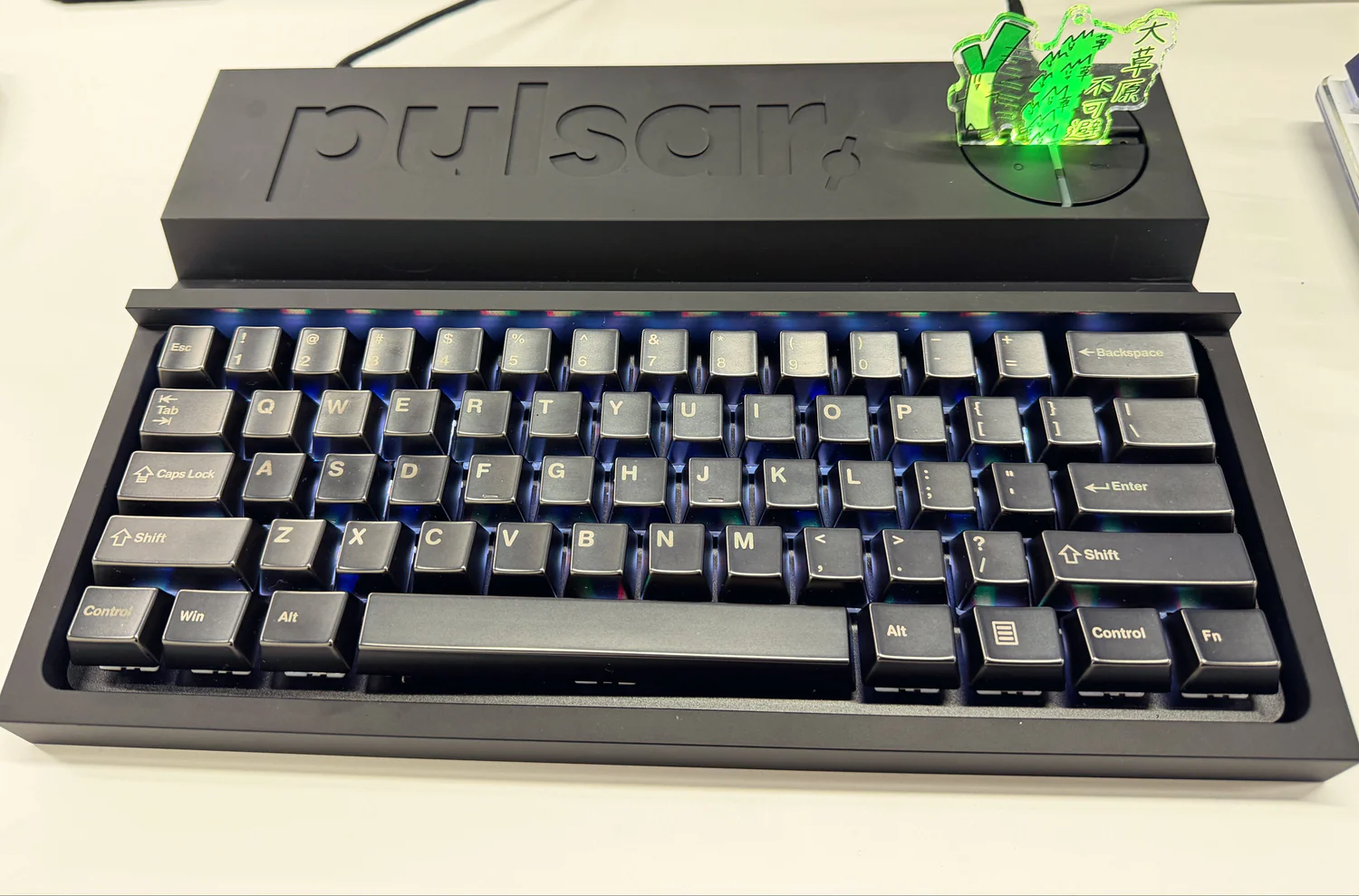
A keyboard shop looks simple from the outside: buy boards, write product pages, run ads, ship boxes. Mechanical Keyboards can work as a niche because the buyer is not shopping for a plain office tool; they are shopping for feel, sound, layout, identity, and control. That is why the revenue story is stronger than it first looks. A U.S. customer may compare a $35 Amazon board against a $170 aluminum model and still choose the higher-priced one because the cheaper option cannot match the daily experience. For a new seller, the opportunity sits in that gap. You are not trying to beat every big retailer on price. You are trying to explain the product better, bundle smarter, and help buyers avoid regret. A store backed by strong online brand visibility can earn trust before the shopper ever reaches checkout, which matters in a category where small details can make or break satisfaction. For U.S. founders, the play is less about chasing gadget hype and more about turning buyer confusion into a cleaner decision.
Mechanical Keyboards Revenue Starts With Buyer Intent, Not Hype
The best starting point is not “keyboards are popular.” That is too thin. The sharper point is that this niche has buyers who care enough to research. They compare sizes, switch types, keycap profiles, case material, stabilizers, wireless latency, and sound. That research habit makes the category attractive for a focused e-commerce store because good guidance can change the sale.
Why buyers pay for feel before specs
Many shoppers enter the category through frustration, not luxury. A software worker in Seattle may hate the flat laptop keys they use all day. A college student in Ohio may want a compact board for a dorm desk. A gamer in Dallas may want faster input, but still care about sound because the setup sits two feet from their microphone. These are not identical customers.
That is where a niche seller can win. Big marketplaces show filters. A good store explains outcomes. “Light linear switches for fast gaming” is more useful than a wall of model numbers. “Tactile but not loud enough to annoy your roommate” answers a real American buying problem.
The counterintuitive part is that specs often come second. A buyer may claim they want polling rate or wireless mode, then return the product because it sounds hollow. Sound tests, desk examples, and honest use cases can sell more than spec tables. In this space, the body reacts before the brain finishes comparing numbers.
This is why the niche behaves more like footwear than office supplies. Two products can share the same layout and price while creating different reactions after ten minutes of use. One feels sharp and tiring. Another feels soft and controlled. The buyer may not know the right words yet, but they know when the desk feels better.
How an e-commerce store can avoid the commodity trap
A commodity store races to the bottom. A niche store builds a point of view. That means you do not list every board available from every supplier. You choose the buyer you understand, then build around that person. A starter-friendly shop might focus on office workers, students, and casual gamers who want a better board without needing a soldering iron.
This is where an e-commerce store has an advantage over a giant catalog. You can create buying paths: quiet work boards, compact desk boards, gift-ready bundles, entry gamer boards, and upgrade kits. Each path reduces anxiety. People spend more when the choice feels safe.
The mistake is trying to look bigger than you are. A tighter store with 35 carefully explained products can feel more trustworthy than a messy store with 600 listings. Keyboard buyers notice lazy copy. They also notice when a seller understands why a 75% layout feels easier than a 60% layout for a first-time user.
Think about a parent buying a birthday gift for a teenage gamer in Phoenix. That shopper may not care about switch curves or firmware menus. They care about whether the gift will feel special and whether it will work out of the box. A niche store that builds a “safe first upgrade” collection can catch that sale without pretending the buyer is an expert.
Product Mix: Where Margin Hides in Small Parts
Revenue potential is not only in the board itself. In fact, the board may be the hardest place to keep margin because shoppers compare hero products fast. The better business model often sits around the board: caps, switches, cables, cases, desk mats, foam kits, pullers, carrying sleeves, and small tools. The sale starts with the keyboard, then grows through taste and tinkering.
Custom keycaps turn taste into repeat orders
Custom keycaps are not a side product. They are the fashion layer of the niche. A buyer may keep the same board for years and still buy new caps because their desk setup, color taste, or gaming theme changes. That makes caps useful for repeat revenue, especially when the store groups them by style instead of dumping them into one long category page.
A practical example: a customer buys a cream 75% board for a home office in Denver. Two months later, they see a navy-and-white keycap set that matches a walnut desk mat. That second order may be smaller, but it can carry stronger margin than the original board if the store controls sourcing and photos well.
The non-obvious risk is compatibility. Custom keycaps create excitement, then create anger when the right shift key does not fit. A strong seller lists supported layouts, stem type, profile, material, and included keys in plain English. One clean compatibility chart can save returns and build trust.
Photos matter more than sellers admit. White caps under studio lights may look cream on a desk near a window. A store that shows caps on black, silver, and cream boards gives buyers context. That extra effort lowers doubt and makes the product feel less like a gamble.
Seasonality can help too. Back-to-school buyers want compact desk upgrades. Remote workers often shop after a cheap board starts to annoy them. Holiday gift buyers need safe choices with clear language. A shop that plans product pages around those moments can sell the same cap set to different buyers without changing the product.
Keyboard switches create small-ticket testing loops
Keyboard switches are perfect for sampling behavior. Buyers rarely know their favorite feel at the start. They may think they want clicky switches, then learn they cannot stand the noise during Zoom calls. A switch tester, small pack, or upgrade kit gives them a low-cost way to experiment before committing.
This matters because low-ticket orders can train repeat buying. Someone who spends $14 on a switch tester is not always a bargain hunter. They may be preparing for a $140 board or a full switch replacement. The smart store treats that order as a lead, not a tiny sale.
Keyboard switches also make content easier. You can compare linear, tactile, and clicky feel through simple language. You can explain spring weight using everyday examples. You can show why a quiet tactile switch may fit an apartment better than a loud clicky one. A helpful small business pricing guide can also support your own margin planning when you build bundles instead of single-product offers.
There is another angle: switches make the store feel alive. New sound tests, staff picks, and “desk of the month” builds give returning shoppers a reason to come back even when they are not ready for a new board. That repeat attention has value. It lowers the need to buy every visit through paid ads.
Traffic, Trust, and Community Build the Real Store
The category rewards sellers who sound like they have typed on the product. That sounds obvious, yet many stores fail there. They copy supplier text, post generic photos, and expect ads to carry the sale. Keyboard shoppers are too suspicious for that. They have seen overhyped boards, fake scarcity, and “premium” claims that collapse the moment the spacebar rattles.
Why Reddit-style buyers punish lazy listings
A keyboard buyer may come from Reddit, YouTube, Discord, TikTok, or a workplace recommendation. They bring community language with them. They know words like thock, clack, gasket mount, hot-swap, PBT, ABS, south-facing RGB, and plate foam. You do not need to bury them in jargon, but you must respect what they care about.
A lazy listing says, “great for gaming and office.” A useful listing says, “best for shared apartments, late-night typing, and buyers who want a soft sound without building from scratch.” That second line has a customer in mind. It earns more trust because it accepts tradeoffs.
Here is the quiet truth: the community does not hate selling. It hates being talked down to. A store can sell hard if the advice is clean, tested, and specific. Show a real desk photo. Admit when a board is not ideal for travel. Say when a cheaper option is enough. That honesty becomes part of the brand.
One poor promise can spread faster than a good discount. If a listing calls a board silent and it clicks through a shared apartment wall, the buyer feels tricked. If the listing says “muted, not silent,” the same buyer may respect the store even when the sound is not perfect. Precision protects the sale.
Content that sells without sounding like a sales page
Search traffic in this niche is rich because questions are specific. “Best quiet keyboard for apartment,” “linear vs tactile switches for typing,” “75% keyboard vs TKL,” and “PBT vs ABS keycaps” are not vanity topics. They catch people near a purchase decision. A focused e-commerce store should build pages that answer those questions before pushing a product.
The content should feel like a helpful friend with strong taste. Give a verdict early. Then explain who should buy, who should skip, and what problem the product solves. This format respects the reader’s time and improves conversion because the product link appears after the reader feels understood.
The U.S. Census Bureau’s retail e-commerce report shows why this matters: online sales are no longer a fringe behavior in American retail. But broad online growth does not guarantee your store will win. The store still needs a sharper promise than “we sell keyboards.” A practical ecommerce conversion checklist can help keep product pages from becoming a pile of claims with no buying path.
Content should also help customer support. A clear guide on board sizes can prevent angry emails from buyers who did not realize a compact layout removes the function row. A switch guide can keep office workers from choosing loud clicky parts for open-plan work. Good education sells once, then saves time after the box arrives.
Revenue Math and Risks for a U.S. Keyboard Shop
The money can work, but not if you pretend every order is profit. This niche has attractive average order values, yet it also has picky buyers, fragile expectations, and shipping costs that can sting. A board is not a sticker pack. It has weight, moving parts, firmware issues, packaging needs, and a buyer who will notice flaws fast.
A practical path from side store to steady cash flow
A realistic U.S. launch might start with a narrow catalog: five starter boards, five better boards, a small range of custom keycaps, three switch sampler packs, desk mats, cables, and a few tools. That is enough to create bundles without drowning in inventory. The goal is not to appear massive. The goal is to make each product earn its shelf space.
Revenue often comes from order design. A $119 board can become a $168 order when paired with a mat, switch tester, and cap puller. A gift bundle can work well around holidays because many shoppers do not know which switches to choose. A “quiet office starter kit” solves that problem in one click.
The non-obvious insight is that the best first customer may not be the hardcore hobbyist. Experts can be demanding, price-aware, and loyal to known brands. Beginners need more help and often value confidence over the lowest price. Serve beginners well, and some will grow with the store.
A simple model helps keep expectations sane. If 100 monthly orders average $135, the store has $13,500 in gross sales before product cost, payment fees, shipping help, returns, ads, and packaging. That number can look exciting on paper. It becomes useful only after you know which products protect margin and which ones create support work.
Where returns, freight, and dead stock eat profit
The main threats are not mysterious. They are boring, which makes them easy to ignore. Heavy boards cost more to ship. Aluminum cases can arrive with tiny marks that upset buyers. Switches may feel different from the description. Keycaps may miss layout support. Firmware can confuse customers who expected plug-and-play ease.
Returns can turn a winning product into a weak one. A store owner should track return reasons by product type, not only total refund rate. If one compact board comes back because buyers miss arrow keys, the product page may be the issue. If a switch pack causes complaints about sound, the description may be too vague.
Dead stock is the sneakier problem. Trend colors fade. A themed cap set may look hot for six weeks, then sit in bins. That is why small batch testing matters. Preorders, limited drops, and email waitlists can reduce risk, but they must be handled with care. In this niche, trust is hard to rebuild after missed shipping windows.
Support time belongs in the math too. A customer who needs help remapping keys may be happy after a five-minute answer. Ten customers with the same issue become a hidden labor cost. Good setup guides, short videos, and plain warranty terms protect profit because they reduce confusion before it reaches the inbox.
Conclusion
The keyboard niche is not a magic cash machine, but it has the traits a thoughtful seller wants: passionate buyers, repeat add-ons, gift potential, content-friendly questions, and room for strong store identity. The winners will not be the loudest shops or the ones chasing every trend. They will be the ones that reduce confusion and make the buyer feel smarter after each visit. Mechanical Keyboards still leave space for small e-commerce operators because the purchase is emotional and practical at the same time. That mix is powerful. A buyer wants a tool for work, a better setup for gaming, and a desk object that feels personal. Build around that truth, control inventory with discipline, and sell guidance as much as gear. Start narrow, test bundles, listen to returns, and write product pages like a human who has used the board. That is how a small store earns a real place in a crowded category. The store that wins will treat each order as the start of a setup, not the end of a transaction.
Frequently Asked Questions
How much money can a small keyboard store make?
A small store can become worthwhile when it raises average order value through bundles, add-ons, and repeat purchases. The better question is not gross sales alone. Watch product margin, return rate, ad cost, shipping cost, and repeat buyers before judging the business.
Is a keyboard store better for beginners or enthusiasts?
Beginners are often better first customers because they need guidance and buy with less brand bias. Enthusiasts can spend more, but they compare details harder. A beginner-focused store can still sell higher-end gear if it explains tradeoffs in plain language.
What products should a new keyboard shop sell first?
Start with a tight mix: a few proven boards, switch testers, keycap sets, desk mats, cables, and basic tools. Too many products make the store harder to manage. A clear starter bundle can beat a large catalog with weak explanations.
Are custom keycaps profitable for online sellers?
They can be profitable when compatibility is clear and photos show the real color, texture, and layout support. The risk comes from slow-moving designs and customer confusion. Smaller batches and theme testing help protect cash.
Do keyboard switches sell well as standalone products?
They can sell well because buyers like to test feel before upgrading a board. Small packs and testers reduce purchase fear. Full switch sets work better after the customer understands the sound, weight, and typing style they prefer.
How can a keyboard store compete with Amazon?
A niche store should compete through guidance, bundles, product curation, and better explanations. Amazon wins on speed and range. A smaller seller can win when buyers want confidence, compatibility help, and a store that understands their exact use case.
What is the biggest risk in selling keyboards online?
Inventory risk is often the biggest issue. Trend-based colors, odd layouts, and niche accessories can sit too long. Returns also matter because a heavy board costs money both ways. Careful testing and clear listings lower both problems.
Is paid advertising worth it for this niche?
Paid ads can work after product pages already convert. Running ads before the store explains switch feel, layout fit, and bundle value wastes money. Search content, email capture, and retargeting often make ads perform better over time.
Leave a Reply