
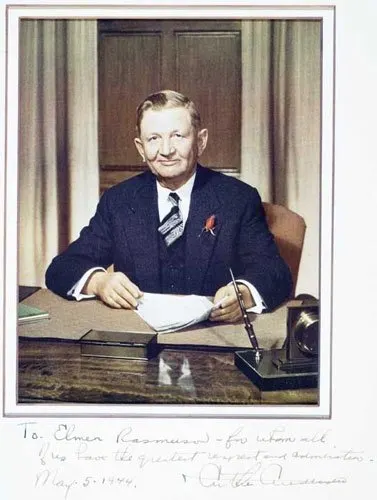
A public company does not collapse only when its numbers fail. It collapses when people stop believing the people who checked those numbers. The Arthur Andersen Accounting story still matters because it shows how a famous audit name can lose public trust faster than it can explain its own process. For U.S. business owners, finance students, audit committee members, and investors, the lesson is not that one bad client can ruin an auditor. The sharper lesson is that an audit firm can become weak long before the headline arrives. Enron’s fall exposed aggressive accounting, weak board challenge, document destruction, and a painful gap between technical review and moral courage. That gap is where reputations die. Companies that want stronger public confidence need more than clean reports; they need clear judgment, open challenge, and credible business authority that holds up when pressure rises. The collapse also gave America a lasting audit warning: independence is not a slogan. It is a daily habit.
Arthur Andersen Accounting and the Price of Audit Trust
Trust in an auditor is strange because it is mostly invisible until it breaks. Clients pay the bill, investors rely on the opinion, boards hear the warnings, and the public assumes someone in the room is willing to say no. Andersen’s fall showed how fragile that chain can be when a firm becomes too close to a powerful client.
Why a Famous Audit Name Could Still Lose the Room
Arthur Andersen was not a small local shop caught outside its depth. It was one of the Big Five accounting firms, with a name that once stood for training, discipline, and high standards. That makes the story more useful for readers in the United States. The failure did not come from being unknown. It came from acting as if size itself could protect judgment.
A counterintuitive part of the case is that reputation may weaken a firm if leaders treat it like stored credit. A famous auditor can begin to believe clients will stay, regulators will pause, and the market will wait for an explanation. Markets do not wait. Once investors saw Andersen tied to Enron’s accounting mess and later document destruction, the old brand strength became a weight instead of a shield.
The Enron audit failure still feels modern because many companies today face the same soft danger. A board hears a clean audit opinion and relaxes. A CFO hears a technical argument and calls it support. A partner hears client pushback and tries to keep the relationship calm. Nobody announces a failure. They agree to one small comfort at a time.
What the Enron Engagement Revealed About Close Client Ties
The hardest audit problems often begin as business problems. Enron was not only an audit client; it also bought other services from Andersen. That kind of relationship can create a quiet pull. The auditor wants to question the client, but the firm also wants to keep the client. Those two goals can sit in the same conference room and pretend they are not fighting.
Auditor independence is not only about formal rules. It is also about posture. Can the audit partner disappoint the client and still feel backed by the firm? Can a technical reviewer challenge a deal without being treated as a nuisance? Can the audit committee hear bad news before the market hears worse news? These questions matter because pressure rarely sounds dramatic in real life. It sounds like, “Can we get comfortable with this?”
For a U.S. company, the practical lesson is direct. Audit quality is not proven by the size of the firm alone. It is proven by the moments when the auditor slows the process, asks for better evidence, and refuses to let a clever structure hide a weak economic truth. That is where stronger corporate governance practices begin to matter.
The Audit Failure Was a Culture Failure Before It Was a Legal Case
The Andersen story is often told through court dates and the Enron bankruptcy. That is useful, but it comes late in the plot. The real warning appears earlier, inside the culture that shaped what people felt allowed to question, record, escalate, and preserve.
Why Smart Professionals Miss Bad Signals
Smart people can miss obvious danger when the office culture rewards speed, client peace, and technical cleverness over plain speech. Enron had complicated partnerships, aggressive earnings claims, and off-balance-sheet structures that demanded hard questions. Yet the deeper issue was not that every accountant failed to understand the details. Some people did raise concerns. The problem was that concern did not gain enough power.
This is where corporate audit lessons become uncomfortable. A firm can have manuals, review teams, and training programs while still letting social pressure rule the room. A younger staff member may see something strange but stay quiet. A senior reviewer may object but get moved aside. A partner may know the position is risky yet believe a footnote or memo can hold the line.
The non-obvious insight is that audit failure is not always caused by ignorance. Sometimes it is caused by people knowing enough to worry, but not having enough support to act. That is more dangerous than simple error because it means the warning system worked, then got ignored.
How Document Retention Became a Trust Disaster
The legal case against Andersen centered on document destruction tied to the Enron matter. The U.S. Supreme Court later reversed Andersen’s conviction because the jury instructions did not properly explain the required mental state. Still, the firm’s business damage had already been done. By the time the legal point was clarified, trust had moved on.
That difference matters. A court can reverse a conviction, but it cannot rewind lost clients, lost staff, and lost public faith. In business, legal survival and market survival are not the same thing. Andersen’s name had become tied to shredding, and that image was easier for the public to understand than any later argument about jury instructions.
Every company should take this lesson seriously. A document policy is not a hiding place. During a crisis, record handling must shift from routine cleanup to preservation. The moment an investigation, subpoena, whistleblower claim, or restatement risk appears, leaders need a clear hold process. Paper trails may hurt. Destroyed trails hurt more.
Sarbanes-Oxley Changed the Audit World, But Rules Still Need Courage
After Enron, WorldCom, and related scandals, Congress passed the Sarbanes-Oxley Act of 2002. The law changed public-company reporting in the United States and helped create the PCAOB, which oversees audits of public companies. Rules changed because trust had become too expensive to leave only to private promises.
Why Oversight Moved Outside the Profession
Before the reform era, the audit profession relied more heavily on self-rule. Andersen’s collapse made that look weak. If the public believes auditors protect their own first, the audit opinion loses value. Outside oversight became a way to tell investors that audit quality would face inspection beyond firm leadership and client pressure.
The PCAOB’s role matters because it changes the audience for an audit firm. The client is no longer the only party that can push back. Inspectors can review work papers, question audit choices, and find gaps that a client would rather forget. That does not make every audit good. It does make the excuse harder.
Here is the counterintuitive part: more rules do not remove judgment. They raise the cost of weak judgment. An auditor still has to decide whether evidence is enough, whether management’s story fits reality, and whether a board understands the risk. Regulation can build the fence. It cannot walk the field.
What Boards Should Demand From Auditors Now
Audit committees should stop treating the annual audit as a closing ceremony. It should be a year-round pressure test. Directors need to ask where management pushed hardest, where estimates changed late, which controls failed, and what the auditor would worry about if the company were in a downturn.
Auditor independence also belongs on the board agenda in plain English. How much does the firm earn from the client? What non-audit work is restricted? Does the lead partner have enough distance from management? Has the audit team been challenged by the firm’s own quality reviewers? These questions may feel tense. That is a sign they are useful.
A practical example is revenue recognition at a fast-growing U.S. software company. If sales teams are paid to close end-of-quarter deals, the audit committee should ask how side letters, renewals, discounts, and customer acceptance terms are tested. The best audit conversation is not, “Did we pass?” It is, “Where could our numbers be telling a prettier story than the business deserves?”
The Lasting Corporate Audit Lessons for U.S. Businesses
The Andersen collapse is old enough to appear settled, yet fresh enough to keep repeating in new forms. Today’s risky areas may involve crypto assets, private credit, artificial intelligence costs, vendor rebates, revenue estimates, or tax positions. The names change. The pressure pattern does not.
Why Audit Quality Starts With Management Honesty
An auditor can test evidence, but management creates the accounting environment. If leaders reward smooth earnings above honest reporting, the audit starts with a handicap. People inside the company learn what gets praised. They also learn what gets punished. That culture shows up in estimates, reserves, side deals, and silence.
This is one of the corporate audit lessons that small and mid-size businesses often miss. You do not need to be Enron to build bad habits. A private company preparing for a sale may stretch add-backs. A growing retailer may delay inventory write-downs. A founder may push the controller to “find” margin before a lender meeting. These choices can look small until they become the company’s normal language.
Strong reporting begins when leaders welcome bad news early. The controller who raises a hard issue should not be treated as disloyal. The audit partner who asks for more support should not be framed as difficult. Clean books are not built during the final week of fieldwork. They are built in the months when no one is watching.
How to Build a Safer Audit Relationship Without Fear
A safer audit relationship does not mean treating the auditor like an enemy. Fear creates its own bad behavior. Management hides problems. Auditors become defensive. Boards receive polished language instead of clear warning. The better model is respectful friction.
Set rules before pressure arrives. Decide how disputes will be raised. Require direct access between the auditor and audit committee. Keep a written log of major judgments, including the alternative views that were rejected. Rotate key partners as required, but do not assume rotation alone fixes weak culture. New faces can inherit old habits.
A useful test is simple: if the company had to explain its hardest accounting decision to employees, lenders, and investors in plain language, would it still sound fair? If not, the memo may be doing too much work. That is the Andersen warning in its shortest form. Technical support cannot rescue a decision that fails the smell test.
Conclusion
The Andersen collapse should not be remembered as a dusty scandal from the early 2000s. It should be treated as a standing warning for every U.S. company that depends on investor trust, lender confidence, or board oversight. The Arthur Andersen Accounting lesson is that an audit opinion carries public weight only when the people behind it protect their judgment before the crisis starts. Rules matter. Oversight matters. Documentation matters. Yet none of them can replace a firm culture that lets professionals challenge a client and survive the backlash. The real test comes when money, status, and deadlines all push in the same direction. That is when independence becomes visible. Business leaders who want to avoid the next audit disaster should build systems where bad news travels early, records stay intact, and hard questions are treated as protection, not personal attack. Make the audit room honest before the market forces it open.
Frequently Asked Questions
What caused the Arthur Andersen firm to collapse?
The collapse came from a mix of Enron-related audit damage, document destruction, lost client trust, and the firm’s obstruction conviction in 2002. Although the Supreme Court later reversed the conviction, the market damage had already emptied the firm of clients, staff, and credibility.
Why was the Enron audit failure so damaging to investors?
Investors rely on audited statements to judge risk, debt, earnings, and business health. When Enron’s numbers proved unreliable, the audit opinion looked weak too. That broke confidence not only in Enron, but also in the outside gatekeepers meant to challenge management.
What did Sarbanes-Oxley change after Enron?
Sarbanes-Oxley tightened public-company reporting rules, strengthened executive accountability, restricted some auditor conflicts, and created outside audit oversight through the PCAOB. Its deeper purpose was to restore trust after major U.S. accounting scandals shook faith in financial statements.
Is auditor independence still a problem today?
Yes, because independence is not only a rulebook issue. It also depends on behavior, incentives, client pressure, partner judgment, and board support. Even with stronger rules, auditors must still be willing to challenge management when evidence feels weak.
What should audit committees learn from Andersen?
Audit committees should meet privately with auditors, ask where management pushed back, review major estimates, track control issues, and demand plain-language explanations. Their job is not to admire clean reports. Their job is to test whether the report deserves confidence.
Can a company have clean audits and still be risky?
Yes. A clean audit opinion does not mean the business is healthy, fraud-free, or immune from bad judgment. It means the statements were judged fairly presented under audit standards. Boards and investors still need to study cash flow, debt, controls, and management behavior.
Why does document retention matter during an audit crisis?
Records show what people knew, when they knew it, and how decisions were made. During a crisis, destroying or deleting files can look worse than the underlying mistake. A clear legal hold protects the company, the auditor, and the board from deeper suspicion.
What is the biggest lesson for small businesses?
Small businesses should build honest reporting habits early. Keep clean records, separate personal and company spending, document major estimates, and welcome outside review. Bad accounting culture does not begin with a scandal. It begins with small shortcuts that stop feeling wrong.
Leave a Reply