
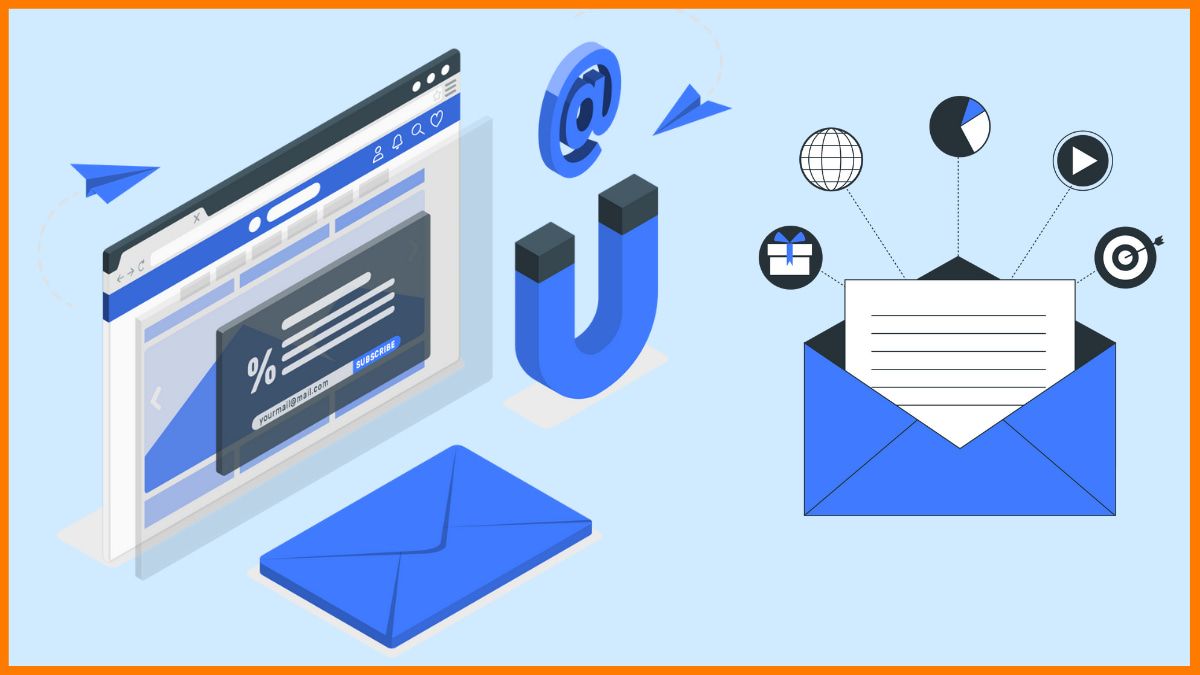
Most bad email campaigns fail before the first subject line is written. The problem is not the font, the template, or the discount code. It is the assumption that access to an inbox equals a right to attention. That is why permission marketing still belongs at the center of any serious email marketing strategy for U.S. businesses that want repeat buyers instead of one-time clicks. A person who asks to hear from you has already crossed a small bridge. Your job is to respect that step, not punish it with noise. For small brands, service firms, ecommerce stores, and local companies, the inbox can still be one of the strongest channels for business visibility work because it is personal, direct, and measurable. But it only works when the reader feels in control. A healthy opt-in email list is not a pile of contacts. It is a group of people who gave you a chance. Waste that chance, and the unsubscribe button becomes the honest answer.
Why Permission Marketing Works Better Than Louder Email
The old email playbook was built around volume. More names, more sends, more subject line tricks, more pressure before the month closed. That approach can still create a short spike, but it trains buyers to ignore you. A consent-first system works from a different belief: attention has to be earned again each time you show up.
The inbox is a private space, not a billboard
A billboard can shout because people pass it by. An inbox cannot. It sits beside bank alerts, school messages, family updates, medical reminders, and receipts. When your promotion lands there, it enters a tighter emotional space than a social ad or search result.
That changes the standard. A U.S. home services company sending weekly HVAC tips to homeowners in Phoenix has a fair reason to appear before summer. A random coupon blast from a list bought three years ago does not carry the same weight. The first feels helpful. The second feels like trespassing.
This is where customer consent marketing becomes more than a soft brand idea. It sets the tone before the sale. The reader thinks, “I asked for this,” or “Why am I getting this?” That tiny difference can decide whether your message earns a click, a complaint, or silence.
The best list is smaller than most owners expect
A large list can look powerful in a dashboard. It can also hide weak trust. If 80,000 people barely open, rarely click, and never buy, the number becomes decoration. A tighter group of 9,000 active subscribers may create more revenue with less risk.
That can feel backward to founders who were taught to chase reach. Still, email is not a stadium. It is closer to a dinner table. The wrong guest ruins the mood faster than an empty chair.
For example, a specialty coffee roaster in Portland might get better results from an opt-in email list of local subscribers who care about roast dates than from a giant national list scraped through giveaways. People who joined for a free iPad are not the same as people who joined for first access to a limited Ethiopian roast.
Consent Turns a List Into a Business Asset
Once you stop treating the list as storage, the work gets sharper. You begin asking better questions. Why did this person sign up? What did you promise? What would make the next message worth opening? That shift turns email from a broadcast channel into a trust ledger.
A clear signup promise protects future revenue
The signup form is the first contract. It does not need legal language to shape expectations. “Get weekly pricing tips for first-time home buyers in Texas” creates a different relationship than “Join our newsletter.” One is specific. The other is fog.
Specific promises make future campaigns easier. If a real estate agent in Austin tells subscribers they will receive local market notes every Friday, the email marketing strategy has a built-in lane. The agent can still mention new listings, but the main value stays tied to the promise.
This is also where many brands damage themselves early. They offer one thing to collect the email, then send something unrelated. A tax prep firm that offers a small business deduction checklist should not follow up with daily software promos. The reader may not complain. They may do something worse: stop noticing you.
Consent has to stay alive after signup
A person can give permission in January and feel differently by July. That is normal. Needs change. Budgets tighten. Jobs shift. The mistake is thinking the first opt-in lasts forever without care.
Smart businesses keep renewing the relationship through behavior. They watch opens, clicks, replies, purchases, and silence. A quiet subscriber is not an enemy. They are a signal. Send fewer messages, ask what they prefer, or offer a pause option before the only choice becomes leaving.
The counterintuitive lesson is that easier unsubscribes can improve trust. The Federal Trade Commission explains that U.S. commercial email must give people a clear way to opt out, and businesses must honor those requests within the required window through its CAN-SPAM business guidance. A brand that hides the exit tells readers it fears honest choice. That fear leaks into every campaign.
How to Build Offers People Actually Want to Receive
Consent gets you in the door. Value keeps you there. The inbox does not reward brands for being present. It rewards them for being useful, timely, and worth the interruption. That means the offer behind the signup matters as much as the email copy after it.
Good lead magnets solve one sharp problem
A weak lead magnet tries to please everyone. A strong one helps one person solve one painful problem. “Download our free guide” is forgettable. “Get a 15-minute checklist before you hire a kitchen contractor” gives the reader a reason to care.
This matters for local American businesses because buyers often have practical fears. They worry about cost, trust, time, and regret. A roofing company in Ohio could offer a storm damage photo checklist. A bookkeeping firm in Florida could offer a quarterly tax prep calendar. Neither needs clever hype.
Customer consent marketing works best when the first exchange feels fair. The reader gives an email. The business gives something useful right away. No mystery. No bait.
Segments beat clever slogans
Once people join, not every subscriber should get the same message. A first-time buyer, repeat customer, cold lead, and past client all carry different levels of trust. Sending them the same pitch is easier, but it is rarely smarter.
A pet supply ecommerce store can split dog owners from cat owners at signup. It can separate new puppy buyers from senior dog owners after purchase. The language then feels closer to the reader’s life. A coupon for joint chews lands better with the owner of a twelve-year-old Labrador than with someone who bought a kitten toy last week.
The non-obvious part is that segmentation does not need to be complex. One good question on the signup form can outperform a maze of tags nobody maintains. Ask what changes the next message. Ignore the rest.
Modern Email Operations Need Trust, Timing, and Restraint
A good idea can still fail through poor sending habits. Today’s inboxes are filtered by machines and judged by humans. Both look for patterns. If your domain sends sudden bursts, gets ignored, or earns spam complaints, your future campaigns can suffer even when the content improves.
Deliverability starts before the campaign
Many business owners think deliverability is a technical issue handled by the email platform. That is only partly true. Authentication, sender identity, and clean formatting matter, but subscriber behavior matters too. If people open, click, reply, and stay subscribed, inbox providers receive a healthier signal.
That means deliverability begins with the opt-in email list itself. A list built through clear signup forms tends to create better engagement than one built through vague contests or partner swaps. The source of the subscriber affects the fate of the campaign.
A practical example: a SaaS company in Denver launches a webinar and collects 3,000 signups. If the form says attendees will also get weekly product emails, the next send feels expected. If the form hides that detail, the same email may feel unwanted. The technical setup did not change. The trust did.
Frequency should follow reader interest, not company pressure
Most teams send too much when sales are slow and too little when business is healthy. That rhythm serves the company’s anxiety, not the reader’s interest. A stronger plan sets a steady pace and changes it only when behavior supports the move.
For a DTC skincare brand, a new subscriber might receive a short welcome series over ten days. A repeat buyer might get replenishment reminders tied to the product cycle. A quiet reader might hear from the brand once a month with a useful guide. Same company, different timing.
This is where an email marketing strategy becomes mature. It stops asking, “How often can we send?” and starts asking, “What would make this email welcome today?” That question sounds simple. It is also the difference between a channel that compounds and one that burns out.
Conclusion
The inbox still rewards businesses that act like guests instead of intruders. That is the part many modern tools cannot fix. You can automate timing, test subject lines, and tag every customer action, but you cannot automate respect. A subscriber knows when the relationship feels fair. They also know when they have been reduced to a target in a sequence. The future of email will belong to brands that earn smaller, cleaner, more active audiences and treat each send like a withdrawal from a trust account. For American businesses, permission marketing is not nostalgia from an older web era. It is a practical defense against spam filters, buyer fatigue, and weak loyalty. Build the opt-in email list with care, send with restraint, and make every message carry a reason to exist. Start there, and your next campaign will not need to shout.
Frequently Asked Questions
How does consent-based email marketing help small businesses?
It helps small businesses reach people who already showed interest, which makes each send more efficient. Instead of chasing strangers, the business can educate, follow up, and sell to readers who invited the contact. That usually leads to better trust and fewer wasted campaigns.
Is an opt-in email list better than a purchased email list?
Yes, because people on an opt-in email list chose to hear from the business. Purchased lists often include cold contacts, old addresses, and people with no relationship to the brand. That can hurt engagement, raise complaints, and weaken sender reputation.
What should a business offer to get email subscribers?
A strong offer solves a clear problem for the target buyer. Checklists, buyer guides, local pricing notes, templates, short courses, and early access can work well. The best choice depends on what the reader wants before they are ready to buy.
How often should a company send marketing emails?
Send often enough to stay useful, but not so often that readers feel chased. Weekly works for some brands, while monthly fits others. The right pace depends on buying cycle, content quality, seasonality, and how subscribers respond over time.
What is the role of customer consent marketing in ecommerce?
Customer consent marketing helps ecommerce brands build repeat sales without relying only on ads. Subscribers can receive product education, restock reminders, launch notices, and loyalty offers. The key is matching the message to what the customer bought, browsed, or requested.
Can service businesses use email without annoying prospects?
Yes, service businesses can use email well when messages teach, remind, and guide. A law firm, dentist, accountant, contractor, or consultant can send useful updates tied to real customer concerns. The tone should feel advisory, not pushy.
What makes an email marketing strategy feel trustworthy?
Trust comes from clear signup language, honest subject lines, useful content, easy unsubscribe options, and steady timing. Readers should know who is emailing them and why. When the message matches the promise made at signup, trust grows over time.
Why do subscribers stop opening business emails?
People stop opening when the emails become repetitive, irrelevant, too frequent, or too sales-heavy. They may also outgrow the need that made them subscribe. Watch engagement signals, offer preference choices, and remove inactive contacts before the list turns cold.
Leave a Reply