
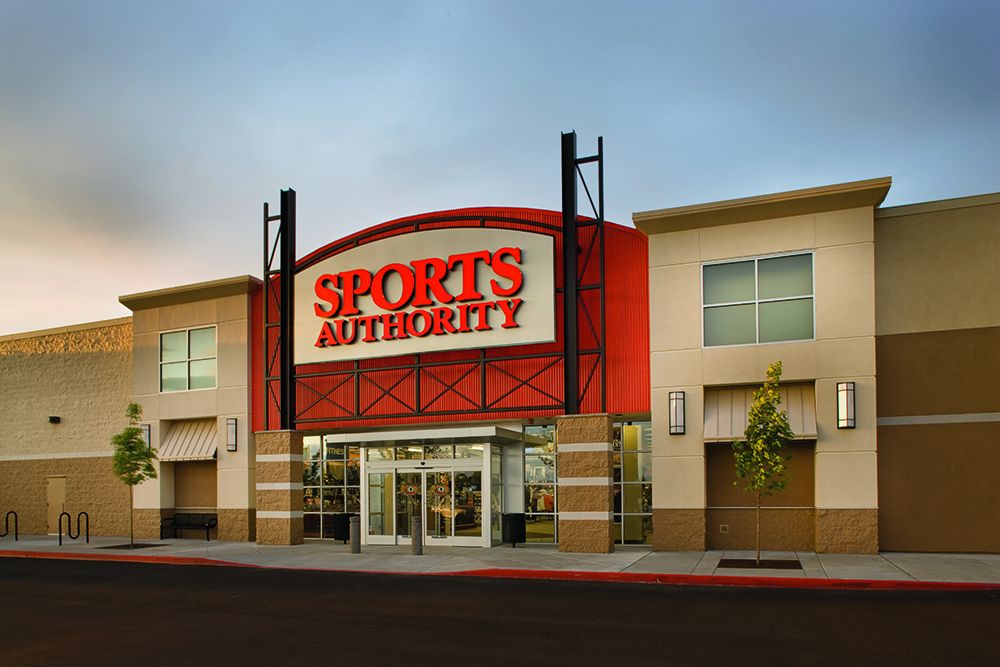
A store can look healthy right up to the week it starts bleeding trust. Sports Authority had name recognition, big boxes in familiar shopping centers, and decades of customer memory, yet the business bankruptcy lessons from its 2016 collapse still speak to every U.S. retailer selling products that shoppers can compare in seconds. The lesson is not “physical stores are dead.” That line is too easy. The harder truth is that a large store with weak cash discipline, soft brand meaning, and a slow digital habit can become expensive before it becomes useful. Operators studying specialty retail operators through a practical lens should also study visibility, local trust, and vendor confidence, which is why business visibility planning belongs in the same conversation as rent, inventory, and margin. Sports Authority did not fail from one bad season. It failed because too many parts of the model needed repair at the same time, and each delay made the next fix more painful.
Business Bankruptcy Lessons Hidden in Store Expansion Choices
Expansion feels safe when the brand is known. A bigger map can make lenders, landlords, and vendors believe the company has momentum. That belief can be dangerous. Sports Authority entered Chapter 11 in March 2016, first aiming to close only part of its fleet before the process slid toward full liquidation. That turn matters because it shows how fast a plan can shrink when the store base no longer earns its place. Specialty chains often judge locations by sales volume, but a store can produce decent revenue and still weaken the company if rent, payroll, shrink, freight, and markdowns leave too little cash behind.
Why a big footprint can hide weak local demand
A specialty chain can fool itself with total revenue. One store in suburban Denver, another in Phoenix, and another near a mall in Ohio may all sell athletic shoes, fishing gear, and baseball gloves, but they do not live inside the same customer rhythm. Weather, youth sports calendars, school districts, hunting rules, and income bands shape demand. A store near a strong soccer league has a different job than one serving retirees, weekend hikers, and casual gym shoppers.
Sports Authority carried the burden of a national footprint while many local stores lacked a sharper reason to exist. A runner could buy shoes from a running shop with staff who knew local races. A parent could buy cleats from a mass merchant during a grocery trip. A serious camper could go to REI for advice and gear confidence. The middle position looked broad, but broad can become blank. When shoppers cannot name the reason to visit, the sale drifts to the easiest option.
The non-obvious lesson is that store count can weaken a specialty retailer when each location needs a different promise. A chain that sells tennis rackets in Miami, snow gear in Colorado, and youth football pads in Texas cannot treat “sporting goods retail” as one flat category. Local depth beats national sameness when customers want help, fit, or confidence. The map should follow demand, not ego.
How leases become strategy before leaders notice
Rent is never only rent. It decides how much inventory you need, how many workers you schedule, and how much discounting you can survive. A 40,000-square-foot box asks the operator to keep filling the floor, even when demand has moved online or split into smaller niches. Once that box exists, managers start defending it. They add fixtures, widen assortments, and chase traffic with promotions that may protect the top line while starving profit.
For a U.S. specialty retailer, the store should earn its keep in four ways: sales, pickup, service, and community pull. If it only works as a shelf, the shelf has to beat Amazon, Walmart, Target, and every niche site on price and convenience. That is a harsh fight. A store that hosts team nights, handles returns, fits shoes, and supports pickup can justify more space. A store that waits for foot traffic cannot.
The better habit is to review leases like living commitments, not background costs. A lease renewal should trigger hard questions. Does this location bring teams, coaches, clubs, repairs, fittings, events, or pickup traffic? Can it support retail cash flow planning without a holiday miracle? If not, the store may already be a liability wearing a familiar sign. The brave move is closing or shrinking before the lease becomes the strategy.
Debt, Inventory, and the Trap of Looking Busy
A full store can calm people. Shelves look active. Endcaps look planned. Trucks arrive, staff unload boxes, and managers feel movement. Yet movement is not health. A retailer can look busy while cash is trapped in products that need markdowns before they turn into money. Sports Authority had the classic specialty retail tension: shoppers wanted breadth, but breadth eats cash. Baseball, golf, basketball, camping, fitness, footwear, fan gear, and seasonal equipment all fight for the same open-to-buy budget. When the mix is wrong, the mistake sits on the floor where customers can see it. Worse, staff begin managing leftovers instead of selling winners.
Why inventory discipline matters more than product range
Product range sounds like a strength until the company cannot tell which range deserves space. Specialty retail operators often love category pride. They want to be “the place for everything.” That mindset can work only when buying decisions are tied to local demand and margin proof. Without that proof, breadth becomes a polite way to say confusion. The customer sees rows. The finance team sees cash that has stopped moving.
Take youth baseball. In a strong Little League town, bats, gloves, bags, and practice nets may turn fast before spring. In another market, the same goods may need markdowns by early summer. The item is not bad. The location is wrong. That distinction separates strong merchants from hopeful ones. A buyer who knows the difference can cut early, move stock, and protect cash. A buyer who waits for the season to save the plan is already late.
The counterintuitive move is to carry less in some areas so the store feels more expert in others. A tight wall of the right running shoes can outperform a wide wall of average choices. A focused golf fitting corner can mean more than another aisle of low-margin balls. Customers sense edit. They also sense clutter. The cleanest stores are not always the emptiest ones; they are the ones where every category has a reason to be there.
How debt turns normal retail mistakes into survival threats
Every retailer makes buying errors. The question is whether the balance sheet gives leaders time to fix them. Debt removes room. It turns a poor season, a missed fashion shift, or a late digital upgrade into a boardroom emergency. When interest, rent, and vendor bills demand cash on schedule, the retailer loses the luxury of slow learning. A wrong order becomes more than a wrong order. It becomes a test of survival.
That is why a retail bankruptcy strategy cannot start after lawyers enter the room. It has to show up in monthly cash reviews, vendor terms, markdown rules, and capital spending. The legal process of Chapter 11 can give a company a path to reorganize, as explained by the U.S. Courts bankruptcy basics, but court protection does not create customer love or fresh margin. It can pause pressure. It cannot invent a better store.
A practical operator should run stress tests before trouble becomes public. What happens if sales fall 8 percent for two quarters? What if freight rises, a vendor tightens terms, or a bank asks for more reporting? The answer should not be panic. It should be a written action plan that protects cash before reputation starts to crack. Quiet preparation is cheaper than public rescue.
Digital Weakness Is a Customer Problem, Not a Tech Problem
Retailers often talk about e-commerce as if it belongs to the IT department. That is the wrong owner. Digital strength belongs to the customer. Shoppers do not care which system feeds inventory data or why pickup windows are messy. They care whether they can find, trust, buy, return, and move on. Sports Authority lived during the period when American shoppers were getting trained by fast search, online reviews, free shipping offers, and easier price comparison. A sporting goods customer could stand in an aisle, scan a barcode, and know within seconds whether the store was asking too much. That did not kill the store by itself. It exposed weak reasons to visit.
What omnichannel should mean for sporting goods retail
Omnichannel should not mean “we have a website.” For sporting goods retail, it should mean a parent can check if size 6 soccer cleats are in stock before driving across town. A runner can order shoes online and return them after a gait check. A coach can reserve team gear and pick it up before practice. A hiker can compare pack sizes, then come in for fitting help. The website should remove doubt before the customer burns gas.
The store becomes stronger when digital tools reduce friction before the visit. That is where many older chains fell short. They treated the website as a separate sales lane instead of the front door to every store. The result is a divided customer experience: one promise online, another at the register, and a third from the call center. That split makes the brand feel older than it is.
The hidden lesson is that digital convenience can protect physical stores. When inventory accuracy, pickup, local pages, reviews, and returns work well, the store feels useful again. When they do not, the store feels like an errand with risk attached. A customer who knows the item is waiting will drive. A customer who has been burned once may not.
Why weak online habits damage trust before sales disappear
Trust drains quietly. First, the customer checks stock online and finds the shelf empty. Then a coupon does not apply the way the email suggested. Then a return takes too long. After that, the shopper stops giving the retailer another chance. The sales report may not show the loss right away. The customer has already left in their head.
Specialty retailers depend on repeat visits. You want the same family to buy cleats in spring, backpacks in summer, training gear in fall, and gifts in December. Each bad digital moment breaks that loop. It tells the customer the company is harder to deal with than its rivals. Once that belief forms, even a discount may not bring them back. Convenience is sticky in both directions.
A better operator treats digital service as part of store operations. Managers should know online conversion, pickup accuracy, local search visibility, and return reasons the way they know labor hours. This is not fancy tech culture. It is shopkeeping with better instruments. The retailer that sees digital complaints as store complaints will fix problems faster.
Brand Meaning Must Be Sharper Than Assortment
The last mistake is the most painful because it sounds soft. Brand meaning. Many operators avoid it because rent, payroll, and inventory feel more concrete. Yet when prices are easy to compare, meaning becomes margin protection. Sports Authority had awareness, but awareness is not the same as preference. A customer may know your sign and still choose a rival. That gap is where many retailers lose the sale before the shopper enters the parking lot. The brand has to answer one blunt question: why you?
How a specialty retailer becomes the default choice
Default status is earned through repeated usefulness. A running store earns it by remembering local race dates, helping with injury-sensitive shoe choices, and knowing which socks prevent blisters in summer humidity. A bike shop earns it through repairs, tune-ups, group rides, and honest advice. A youth sports store earns it by working with schools and leagues before parents start shopping. These actions are small, but they build habit.
Large chains can do this too, but they need local authority inside the brand. A national calendar is not enough. Store teams need permission to shape events, partnerships, and assortments around the area they serve. A store in Minnesota may build winter training clinics. A store in Georgia may build baseball nights and heat-ready running events. The same thinking should guide specialty retail marketing strategy, because promotion works better when it reflects the place around the store. Same logo, different proof.
For specialty retail operators, the path is not to become smaller in ambition. It is to become sharper in usefulness. If customers cannot explain why your store is better for them than a cheaper site, you have already trained them to compare price first. Price-first shoppers are expensive to win and easy to lose. Preference-first shoppers give you time to earn the sale.
Why community is not a slogan when margins get tight
Community can sound like a marketing word, but in retail it is often a margin tool. A store connected to local teams, trainers, clubs, and schools has reasons to speak to customers before discounts begin. It can host fittings, clinics, trade-in days, repair events, and team nights. Those touchpoints make the store part of the customer’s routine. Routine is stronger than promotion.
One useful example is the local running shop that charges full price because the staff solves a real problem. The shopper is not buying foam and fabric alone. They are buying a better chance of avoiding pain on Saturday morning. That is a different sale. It also creates stories customers repeat to friends, which no coupon can copy with the same force.
This is also where retail bankruptcy strategy gets more human. The strongest defense against distress is not a thicker binder of cuts. It is a customer base that would miss you if you closed. If the market would shrug, the spreadsheet is already warning you. A store that matters locally has more room to adjust, ask for patience, and rebuild traffic when the market turns.
Conclusion
The Sports Authority story still matters because it strips away a comforting myth. Big brands do not fall only because shoppers change. They fall when leadership waits too long to match the operating model to the shopper’s new power. The sharper business bankruptcy lessons are plain: stores need local purpose, inventory needs discipline, debt needs fear, digital tools need ownership, and brand meaning needs proof. None of these repairs are glamorous. Most are daily habits. That is why they work. A specialty retailer that wants to survive in the U.S. market has to stop treating bankruptcy as a rare legal event and start treating distress as a set of signals that appear early. The best operators do not wait for a lender, landlord, or vendor to tell them the truth. They listen to store teams, customer habits, sell-through data, and cash pressure before the story turns public. Read the signals while there is still time to act, then build a store customers would fight to keep.
Frequently Asked Questions
What caused Sports Authority to go out of business?
Debt, weak store productivity, price pressure, and slow adaptation to digital shopping all played a role. The company had name recognition, but it lacked enough clear reasons for customers to choose its stores over stronger competitors, local specialists, and online options.
What can small retailers learn from Sports Authority?
Small retailers should protect cash, avoid overexpansion, know local demand, and build customer loyalty beyond product selection. A smaller store can beat a larger chain when it offers better advice, tighter inventory, faster service, and stronger community ties.
Is specialty retail still a good business model?
Yes, but only when the store solves a specific customer problem. Generic product access is weak because shoppers can compare prices fast. Fit, service, repair, education, events, and trusted recommendations make specialty retail worth visiting.
How should retailers avoid too much inventory?
Retailers should buy based on local demand, sell-through history, season timing, and margin goals. Slow items need early markdown rules. The goal is not empty shelves. The goal is stock that turns into cash before it becomes old news.
Why does debt make retail risk worse?
Debt reduces time. A normal sales dip can become a crisis when payments, rent, and vendor bills keep coming. Retailers with lighter debt can test fixes, adjust buying, and close weak locations before lenders or courts shape the outcome.
What role does e-commerce play in store survival?
E-commerce supports stores when customers can check inventory, buy online, pick up locally, and return without hassle. It hurts stores when stock data is wrong or service feels disconnected. Digital work should make the physical visit easier.
How can a sporting goods store compete with big chains?
A sporting goods store can compete through fitting help, local team ties, repairs, lessons, events, and product knowledge. Big chains often win on scale, but local stores can win on trust and speed when they know the community better.
When should a retailer create a bankruptcy risk plan?
A risk plan should exist while the business is still healthy. Waiting until vendors tighten terms or lenders demand changes leaves fewer choices. Monthly cash reviews, lease checks, inventory stress tests, and debt planning keep leaders ahead of trouble.
Leave a Reply