
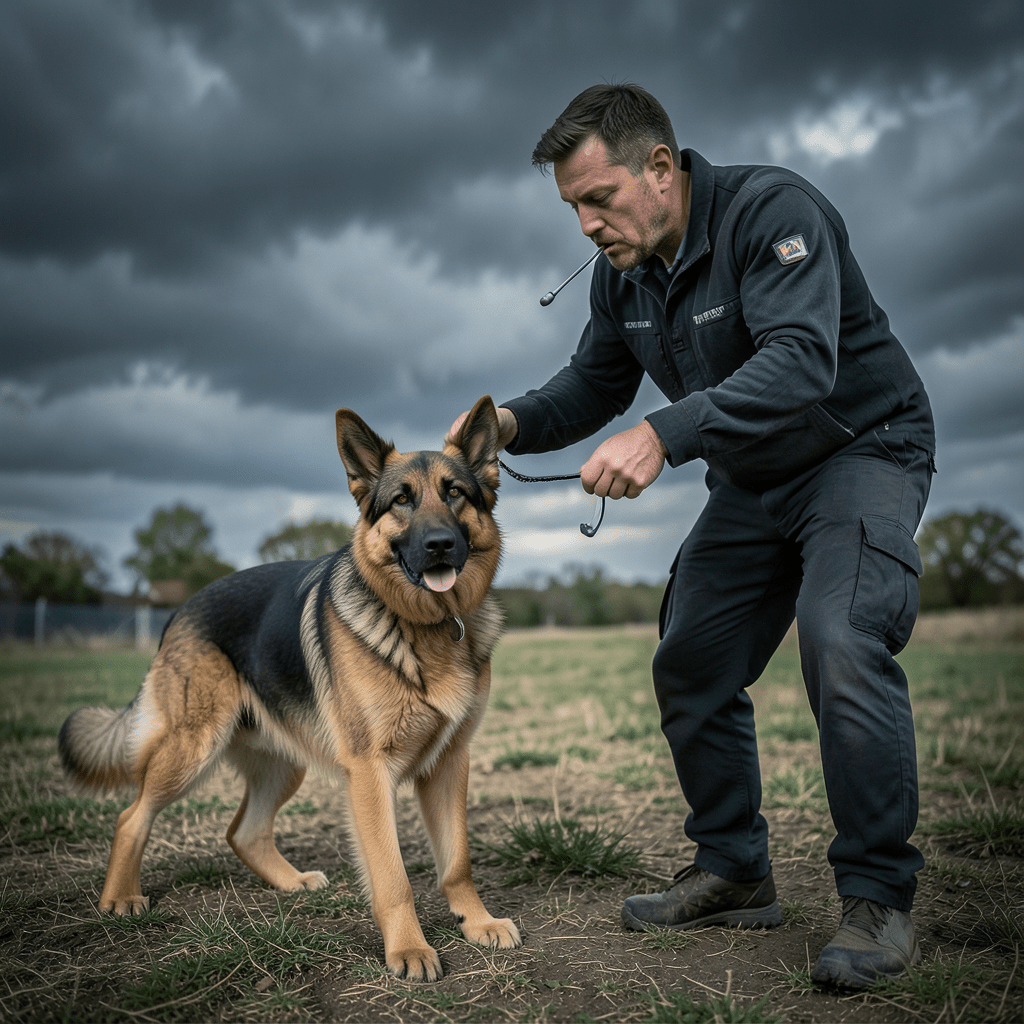
Stubborn dog training remains one of the most challenging concerns for pet owners dealing with persistent behaviors such as refusing commands, excessive barking, leash pulling, or selective listening. Effective stubborn dog training is not about dominance or repetition alone it requires a structured behavioral system rooted in modern canine psychology, consistency, and positive reinforcement. Rob’s Dog Training focuses on practical, humane methods that help reshape behavior in real-world environments while strengthening communication between dogs and handlers.
Successful training begins with understanding why unwanted behaviors happen in the first place. Dogs do not act out of defiance; instead, they respond based on learned patterns, environmental influences, and reinforcement history. Once these patterns are understood, behavior change becomes significantly more achievable.
Understanding the Psychology Behind Stubborn Dog Training
Stubborn behavior in dogs is often misinterpreted. What appears as disobedience is usually a response shaped by confusion, lack of motivation, or inconsistent reinforcement. In stubborn dog training, identifying the root cause is essential before attempting correction.
Common contributing factors include:
- Inconsistent commands or changing verbal cues
- Lack of reward motivation or unclear incentives
- Overstimulating environments that distract focus
- Unintentional reinforcement of unwanted behavior
- Anxiety, fear, or stress-based reactions
Dogs learn through association. If a behavior leads to attention, reward, or even occasional success, it becomes reinforced. Understanding this principle allows training to shift from frustration-based correction to structured behavioral guidance.
Core Principles of Effective Stubborn Dog Training
A successful stubborn dog training program relies on several foundational principles that ensure clarity, consistency, and long-term behavioral change.
1. Clear and Consistent Communication
Dogs need predictable signals to understand expectations. Using the same command words, tone, and gestures prevents confusion and accelerates learning.
2. Precise Timing of Rewards
Timing is critical in stubborn dog training. Rewards must be delivered immediately after the correct behavior occurs. Even a delay of a few seconds can weaken the learning connection.
3. Controlled Learning Environments
Training should begin in distraction-free environments before progressing to more challenging settings. Gradual exposure ensures stronger retention and reduces overwhelm.
4. Positive Reinforcement Focus
Reward-based systems increase engagement and reduce resistance. Dogs are more likely to repeat behaviors that lead to positive outcomes such as treats, praise, or play.
5. Progressive Difficulty Scaling
Commands should be introduced in simple settings first, then gradually tested in real-world situations like parks, sidewalks, or busy neighborhoods.
Proven Techniques for Stubborn Dog Training Success
Effective stubborn dog training relies on structured techniques designed to improve communication and behavior consistency.
Marker Training for Faster Learning
Marker training uses a consistent sound or word, such as “yes” or a clicker, to instantly mark correct behavior. This helps dogs understand exactly which action earned the reward, improving learning speed and clarity.
Leash Pressure Conditioning
For dogs that pull or resist walking, leash pressure training teaches that tension stops movement while slack allows it. Over time, dogs naturally learn to walk calmly without force or punishment.
High-Value Reward Strategy
Some dogs require stronger motivation. High-value rewards such as chicken, cheese, or favorite toys increase engagement during stubborn dog training sessions, especially in distracting environments.
Behavior Substitution Method
Instead of punishing unwanted actions, training redirects behavior toward a more acceptable alternative. For example, jumping on guests is replaced with sitting calmly for attention.
Structured Short Training Sessions
Short, focused sessions of 10–15 minutes improve retention significantly more than long, exhausting training periods. Repetition over time builds strong behavioral memory.
Environmental Desensitization
Gradually exposing dogs to distractions such as noise, people, or other animals helps reduce reactivity and improves focus during training.
Common Mistakes That Slow Down Stubborn Dog Training
Many training setbacks come from unintentional errors rather than the dog itself. Avoiding these mistakes can greatly improve results.
- Repeating commands multiple times without enforcement
- Inconsistent rules across household members
- Rewarding unwanted behavior with attention
- Training only during problem moments instead of daily practice
- Expecting immediate transformation instead of gradual progress
Dogs learn through repetition and consistency. Mixed signals or emotional reactions can confuse the learning process and slow down improvement.
Building Long-Term Obedience in Stubborn Dogs
Short-term compliance is not enough. The goal of stubborn dog training is long-term reliability in various environments and situations.
Real-World Practice Integration
Once basic commands are mastered indoors, training should transition outdoors where distractions are naturally higher. This ensures commands remain effective in real-life situations.
Command Proofing Across Environments
Proofing involves testing learned commands in multiple locations and conditions. This step ensures that behavior is not limited to one environment.
Continuous Reinforcement Strategy
Even after training success, periodic reinforcement helps maintain behavior consistency. Occasional rewards and refresher sessions prevent regression over time.
Habit Formation Through Repetition
Repetition builds habit. When correct behaviors are consistently reinforced, they eventually become automatic responses rather than trained actions.
Advanced Stubborn Dog Training Approaches
Some dogs require more structured or advanced behavioral strategies due to deep-rooted habits or emotional triggers.
Threshold Training
This method identifies the point at which a dog becomes reactive and works below that threshold to build calm responses before gradually increasing difficulty.
Impulse Control Development
Teaching patience-based commands like “wait” or “stay” strengthens self-control and reduces impulsive reactions.
Redirection Techniques
Redirecting attention from unwanted behavior to a productive action helps replace negative habits with positive ones without confrontation.
Structured Leadership Routine
Dogs respond well to predictable routines. Feeding, walking, and training schedules help establish structure and reduce behavioral uncertainty.
When Professional Training Becomes Necessary
Some stubborn dog training cases require professional intervention, especially when behaviors are deeply ingrained or involve aggression, anxiety, or fear responses.
Professional trainers provide:
- Customized behavior modification plans
- Experience handling complex behavioral issues
- Objective assessment of training challenges
- Advanced techniques tailored to individual temperament
Rob’s Dog Training offers structured programs designed to address difficult behaviors using humane, science-based methods that prioritize long-term stability over temporary fixes.
More details are available at https://robsdogs.com/
The Importance of Owner Involvement
No training system succeeds without consistent owner participation. Dogs mirror the clarity and consistency of their handlers, making daily involvement essential.
Key responsibilities include:
- Maintaining short daily training sessions
- Using consistent verbal commands and cues
- Rewarding positive behavior immediately
- Avoiding mixed signals between family members
- Remaining patient during setbacks or slow progress
Progress in stubborn dog training is gradual. Small improvements accumulate into long-term behavioral transformation when consistency is maintained.
Creating Lasting Behavioral Change
True success in stubborn dog training comes from shifting behavior patterns rather than forcing obedience. When dogs understand expectations clearly and are consistently rewarded for correct actions, behavior naturally improves.
Long-term change requires:
- Structured training progression
- Clear communication systems
- Ongoing reinforcement
- Real-world practice
- Emotional stability in training interactions
Over time, these elements combine to create reliable, confident, and well-behaved dogs capable of responding in any environment.
A Smarter Approach to Stubborn Dog Training
Stubborn dog training is ultimately about communication, not control. Dogs respond best when expectations are clear, reinforcement is immediate, and learning environments are structured for success. With the right combination of patience, consistency, and proven behavioral techniques, even the most challenging behaviors can be transformed into dependable obedience.
Rob’s Dog Training applies humane, science-backed methods that focus on building trust while correcting unwanted behavior. Through structured guidance and long-term reinforcement strategies, lasting behavioral improvement becomes achievable for both dogs and their owners.
Leave a Reply